 ES
ES
NEWS, INTERVIEWS AND EVERYTHING RELATED TO PERUMIN IN THE MEDIA
Lima, FEBRUARY 6 2025Zetti Gavelán proposes reinventing investment incentives to maintain mining competitiveness
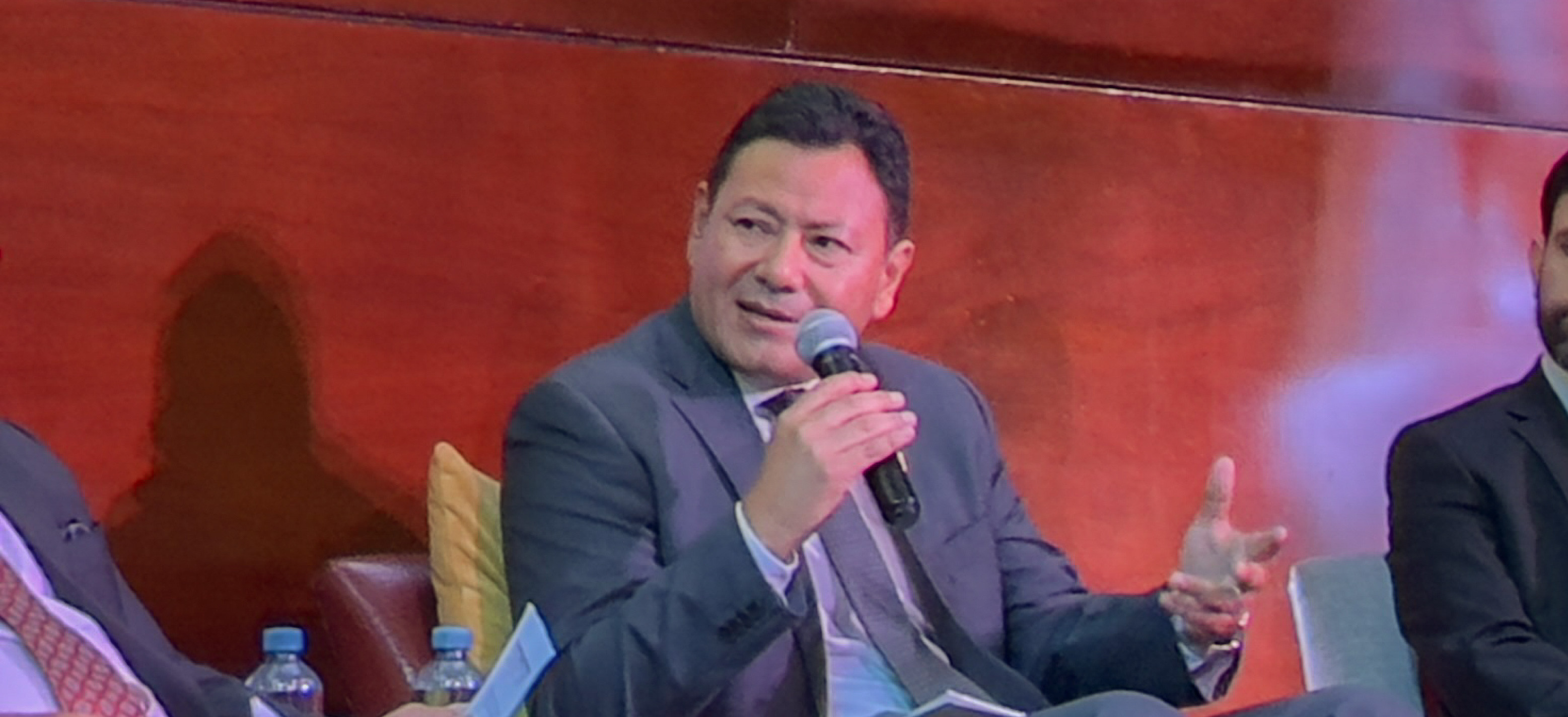
Gavelán, IIMP vice president, warns that Peru cannot rely solely on its mining tradition and must innovate to attract investments in an increasingly competitive global landscape.
During the Mining Thursday event, part of Rumbo a PERUMIN, Zetti Gavelán, vice president of the Peruvian Institute of Mining Engineers (IIMP), emphasized the need to re-evaluate mining investment incentives to maintain the country's competitiveness against emerging players in the industry. He cautioned that Peru cannot just rely on with its important mining tradition but must innovate and adapt to an increasingly demanding global landscape.
Gavelán analyzed the timelines and stages required to develop a mining project in our country, noting that the success of an investment depends not only on geological wealth, but also on multiple factors such as the metal cycle, socio-political and economic stability, international circumstances, technological development and sources of financing, among others. "When we talk about 30 to 40 years to bring a world-class project into production, we may be underestimating," he said.
Although Peru is a country with a long mining tradition, Gavelán cautioned that new competitors are gaining ground by offering more attractive conditions for investment. He cited the case of Argentina with its RIGI (Incentive Regime for Large Investments), which is successfully attracting significant capital with specific incentives, and the accelerated growth of mining in Africa, where countries are operating with higher mineral grades.
“Africa is advancing rapidly, with copper grades reaching 4%, levels we saw in Peru only 70 years ago. Today, we are operating with copper grades as low as 0.25%, which forces us to be extremely efficient to remain operational,” he pointed out.
Finally, Gavelán issued a call to action: “We cannot rest on our laurels. Having a mining tradition is undoubtedly an advantage for attracting investments, but we are not the only ones. Knowledge and the application of technology are now universal, and if we do not continue to innovate, we will lose our great opportunity,” he concluded.

Organized by: