 ES
ES
NEWS, INTERVIEWS AND EVERYTHING RELATED TO PERUMIN IN THE MEDIA
Lima, JUNE 15 202380 billion soles of mining revenues were not correctly and efficiently administered
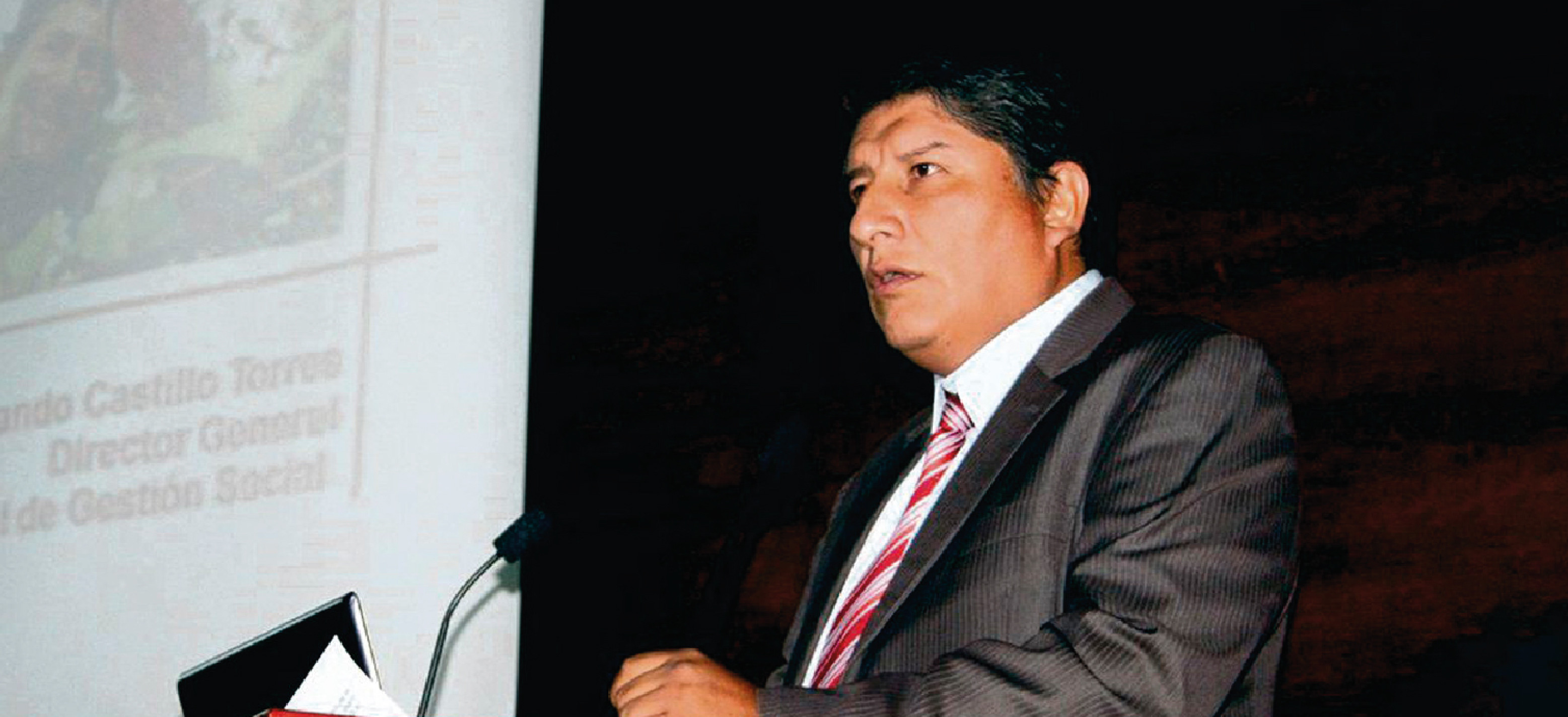
- Additionally, the government records unfulfilled commitments for 8,000 million soles, stated Fernando Castillo
In the fourth edition of Rumbo a PERUMIN, an event organized by the Peruvian Institute of Mining Engineers, Fernando Castillo, international consultant, said that the mining industry paid 80 billion soles in direct taxes in the last 20 years, but the regional and local governments failed in administering them correctly due to incapacity or corruption of their officers.
He recognized that the appropriate use of economic resources provided by mining and other productive sectors is essential for the enforcement of human rights since they must be used to generate quality basic services, digital connectivity and transportation infrastructure, and formal jobs.
He even regretted that the high level of inactivity and improvisation regarding the appropriate management of money transfers has been observed not only at departmental level but also at country level since the government accumulated 8 billion soles in unfulfilled commitments, which were mainly allocated to the construction of dams and highways.
Furthermore, he criticized that many officers are unaware of their competences or assume functions that do not correspond to them, and that is what happened with the regional government of Cajamarca, which declared peasant patrols as native peoples, a measure that was later repealed by the Ministry of Culture, the only agency authorized to adopt a decision like this.
But just like the government assumes commitments and has difficulties fulfilling them, the expert pointed out that the opposite happens in the mining sector since it is more willing to meet the highest number of agreed obligations in the shortest time possible given that the new community leadership tends to refuse these agreements and demand others.
Governance of Natural Resources
Additionally, the international consultant highlighted the need to promote proper governance of natural resources in the mining sector in order to allocate money transfers to community development projects and thus prevent social conflicts, which went from spreading almost nationwide to concentrating only in certain parts of the country for now.
In this sense, he proposed that the government should consider the new requirements of subnational governments within the General Budget of the Republic, which are drafted between August and September and approved in December to be met the following year and thus build a correct governance of the mining sector.
Peru awaits reinstatement in EITI
On the other hand, Fernando Castillo remarked that Peru was the first country in the world that implemented the Extractive Industries Transparency Initiative (EITI), and even taught countries such as Argentina, Colombia and Guatemala how to implement it; however, he pointed out that it was the government’s wrong actions and decisions that led the country to be disqualified and suspended from EITI.
Nevertheless, he indicated that the Ministry of Energy and Mines recently submitted the 8th National Transparency Report (EITI) before December 31 of this year, in order to reveal the payments made by the companies to governments, and its potential approval will allow Peru to return to this International Alliance made up of 57 countries.