
 ES
ES
NEWS, INTERVIEWS AND EVERYTHING RELATED TO PERUMIN IN THE MEDIA
Lima, FEBRUARY 8 2023Regional Development Projects Require Constant Technical Accompaniment for Meeting Objections and Getting Approved
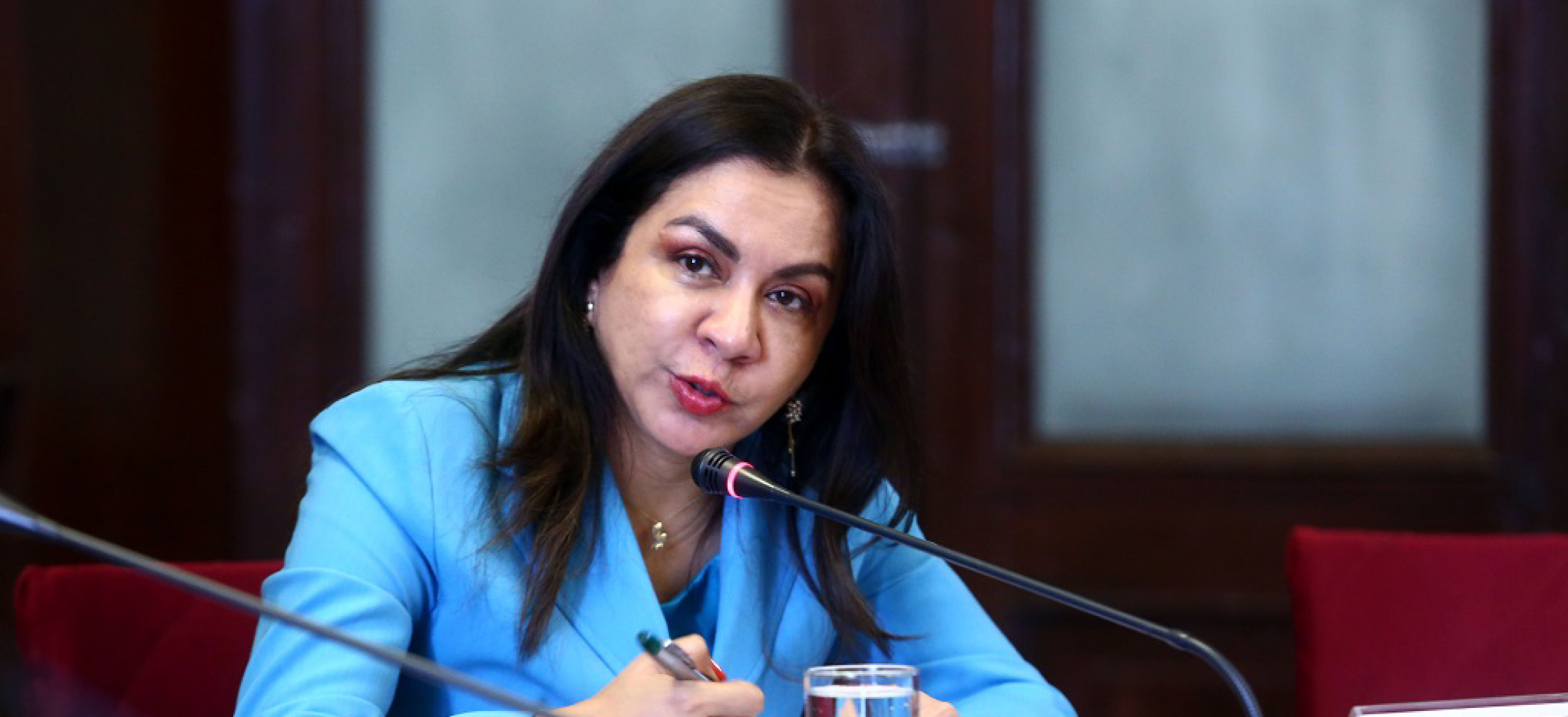
- Former Congress member Marisol Espinoza also argued that the decentralization process is not working due to lack of resources and a high turnover of public servants.
At Rumbo a PERUMIN, the head of the Center of Constitutional and Parliamentary Studies, Marisol Espinoza, said that the slow public spending rate is due to the fact that the authorities have no knowledge of public administration, given that most of them are new and are entering political life for the first time.
“They, therefore, need accompaniment that will provide the basic tools for them to know what one can and cannot do, and act within the law. Another problem is that they do not have projects at the moment, since their projects are due in six months’ time and they have to turn to the ministries for support,” she explained.
Moreover, she regretted the ordeal that local authorities go through when it comes to closing gaps, e.g., the need for water and sanitation services for human consumption and agricultural and livestock activities. Water is a vital resource whose management causes great concern due to the recent droughts in the highlands since last September.
“Definitely, the projects for closing gaps at a district, provincial, or regional level must be given technical assistance by the governing ministries to meet objections and channel their approval. These are the most common problems faced by mayors and budget administrators,” she said.
She also highlighted that to achieve territorial development we need to build trust, citizenship, and democracy, and thereby mend the ties among the public sector, the business sector, and the population, even more so when the latter feel abandoned by the State and blames it for the lack of access to basic utility services and a good quality of life.
“We need to do the delicate work of connecting citizens and local authorities with the central government for the latter to listen to their demands, especially on the issue of timely fiscal redistribution, since it is ultimately citizens who still today do not have drinking water or sanitation services, electricity, or hospitals,” she added.
On the other hand, she questioned the decentralization process. She said that this process is faltering owing to the insufficient transfer of public resources, the lack of vision on the part of senior central government officials, and the high turnover of ministers, which forces governors and mayors to rethink over and over their projects’ funding in order to get final approval.
“In Congress, we have had projects that have taken three years to mature—from their development to their approval— in the best of cases: however, others, such as the hospitals needed in Anchash and Piura, have already taken ten years and are still not finished. This is alarming and calls for urgent intervention,” concluded Marisol Espinoza.