
 ES
ES
NEWS, INTERVIEWS AND EVERYTHING RELATED TO PERUMIN IN THE MEDIA
Lima, JUNE 15 2023Peru does not have a system to register the agreements and commitments of the roundtables
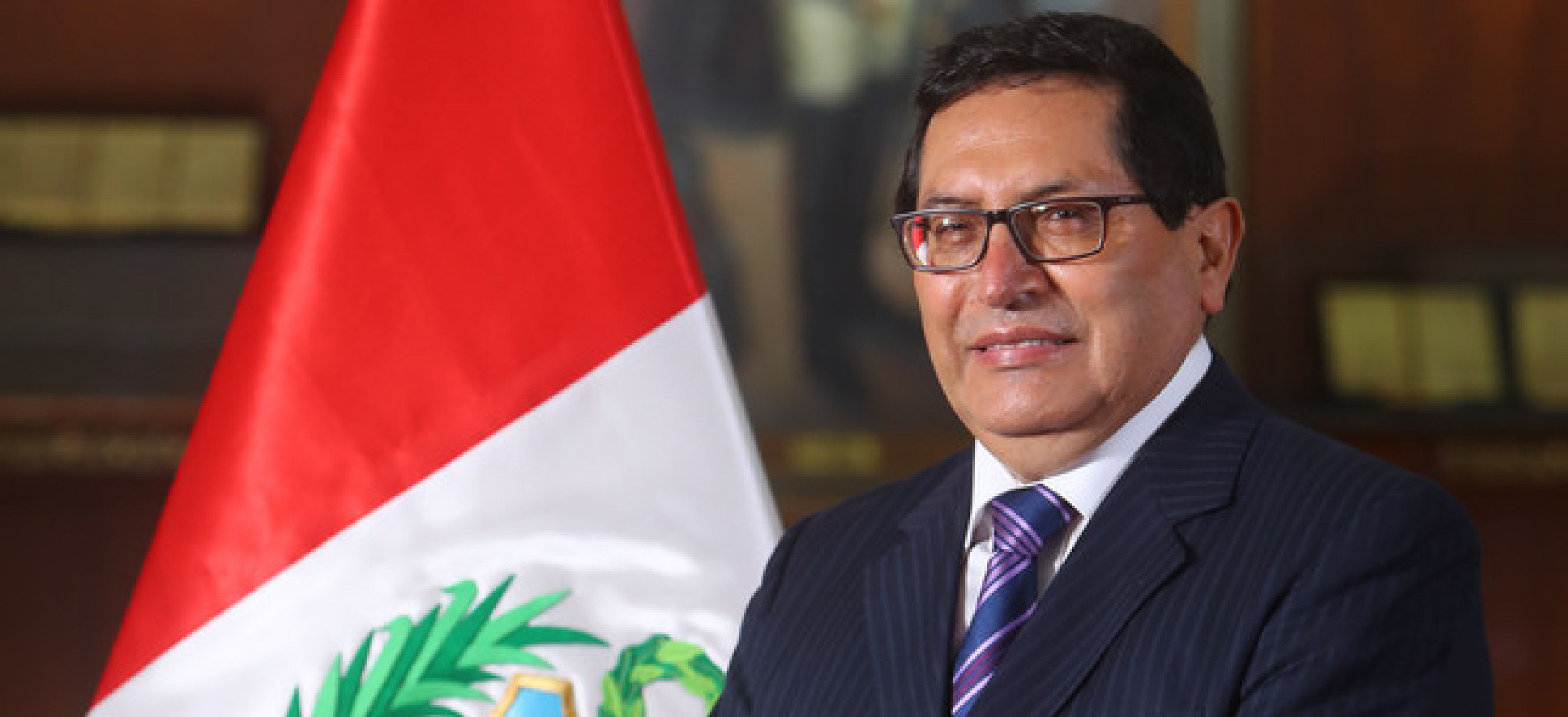
- Federico Tenorio, Executive Coordinator of the “Grupo Propuesta Ciudadana” (Citizen Initiative Group) and former minister of Agricultural Development attends Rumbo a PERUMIN.
Federico Tenorio, Executive Coordinator of “Grupo Propuesta Ciudadana” and former minister of Agricultural Development pointed out that in Peru it is necessary to have a national system that brings together and monitors the agreements and commitments made by the companies, communities and the government at the roundtables.
“While there are mechanisms to register the agreements and letters of commitment, there is no agency that brings them together. Our organization Propuesta Ciudadana has prompted PCM and the Dialogue and Social Management Office to implement a system where all agreements and letters of commitment, as well as the commitments assumed by the Government, can be recorded ", he stated.
Tenorio indicated that if there were an interoperable system, led by the Presidency of the Council of Ministers, to warn the different sectors about the commitments assumed, it could help enormously in the solution of social conflicts.
"For example, when I was working at the Ministry of Agriculture, I went to Chalhuahuacho and I was surprised to find that the ministry had commitments for 120 million in specific works, but no one in the sector had previously informed me," he remarked.
He commented that the Ministry of Energy and Mines has a list of mandatory and voluntary commitments of the companies, but these are not related to the PCM or the Ministry of Environment.
Reaching bilateral agreements
Federico Tenorio pointed out that it would be important to find mechanisms to improve the bilateral relationships established between companies and communities, which are developed in accordance with the rules
"While it is true the law says that this is a matter between private parties, the secrecy of these negotiations can raise suspicions on the outcome of the dialogue or agreements and lead to the companies losing reliability, despite good intentions," he said.
He also recommended that the roundtable be public and that authorities such as overseers, international organizations or the Ombudsman's Office itself be invited so that this dialogue can be fruitful and legitimate in order for communities to feel that they are on an equal footing.
He also said that the roundtables should have Quechua interpreters, cultural differences must be respected, and horizontal relations between companies and communities should be encouraged. Efforts should also be made to ensure that there is no asymmetry of information between the parties.
"It is also stressed that it is important to respect the institutionalism of the communities, many times these relationships break the scheme of the community," he said.
Finally, he highlighted the management and good practices of mining companies such as Gold Fields, in Cajamarca, which developed a training and capacity building plan for the leaders of the ronderos in the area of influence in order to reach agreements and promote territorial development.