 ES
ES
NEWS, INTERVIEWS AND EVERYTHING RELATED TO PERUMIN IN THE MEDIA
Lima, MARCH 28 2023Luis Rivera: The Northern Macroregion Should Replicate What the South of Peru Has Done with Its Mining
- The north of Peru has eleven mining projects worth over $23,000 million. These could benefit over four million Peruvians.
One of the realistic solutions to improve socio-economic indicators and create productive linkages in the northern macroregion lies in determinedly betting on its mining industry, just as the regions of southern Peru, where over 50% of the national copper is produced.
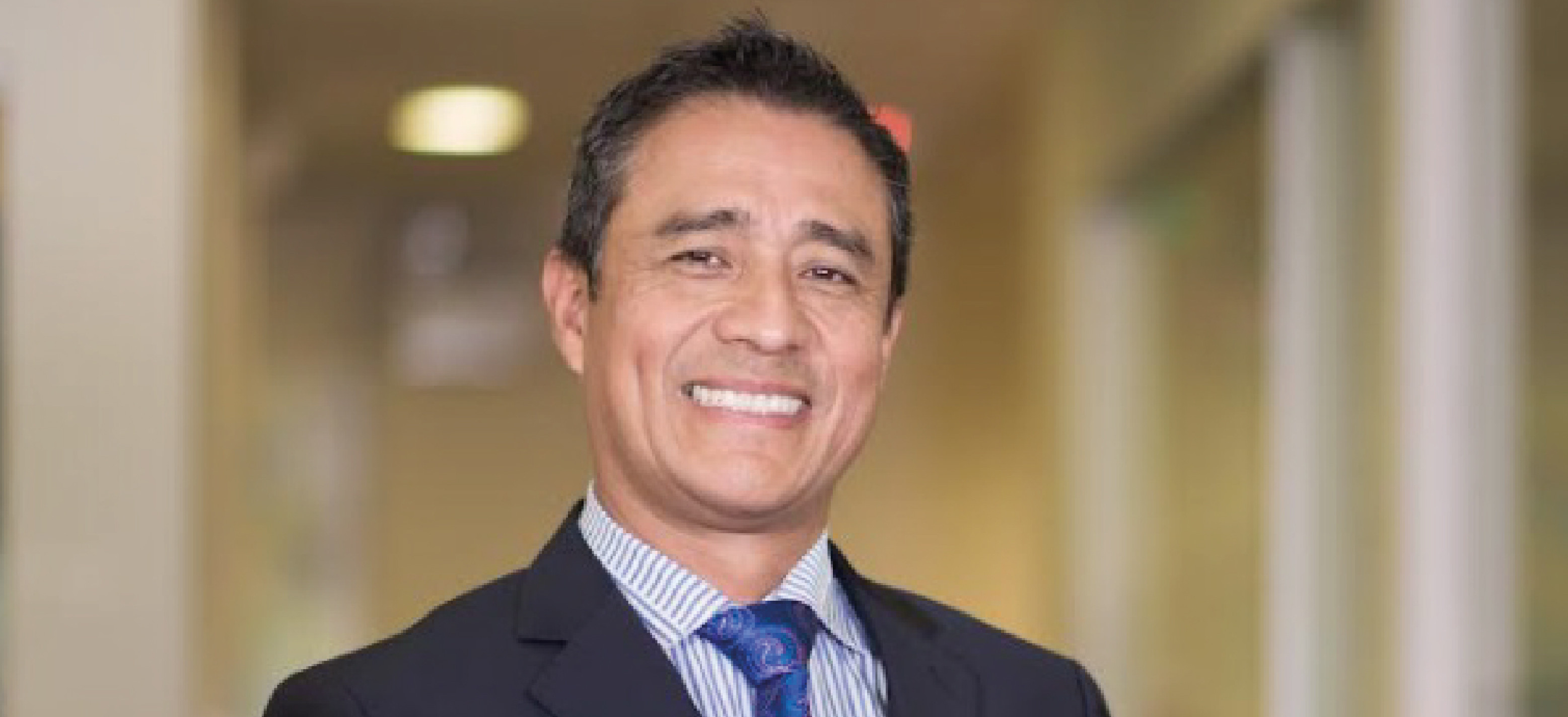
This is what Luis Rivera, former president of the Peruvian Institute of Mining Engineers, said during his participation as a panelist in the program of conferences Rumbo a PERUMIN – Northern Macroregion edition, alongside other experts and authorities linked to the mining sector.
"If one looks at the south of Peru, one can see that they have managed to create a mining hub, an industrial park, and a corridor that connects the mines in the eastern Andes—such as Las Bambas, Hudbay, and Antapaccay—with the port of Matarani on the coast of Arequipa," he asserted.
All this not only helps create infrastructure, tourist corridors, railways or linked ports, but also results in the Human Development Index (HDI) of regions like Moquegua, Arequipa or Tacna being higher than in the northern regions of Peru. “In the north, we do not have what they have in the south; perhaps that is what we should be doing."
Nevertheless, he pointed out that any changes or actions towards stimulating sustainable development should first be agreed upon by the three main actors of which society is comprised, namely the population, the private sector, and the State.
"Oftentimes the direct investment made by a mining company or mining megaproject is expected to inherently lead to economic development, but the concept of development is more complex than a simple capital investment," noted the also executive vice-president of Gold Fields for the Americas region.
He added that such change will only take place if these actors work together. They have to agree on a forward-looking approach where the State takes on a convening leadership role from the get-go.
The regions of Tumbes, Cajamarca, Piura, La Libertad, and Lambayeque, which form the northern macroregion, concentrate 44% of the Peruvian mining investment portfolio. This portfolio includes eleven projects, which are pending implementation and are valued at over $23 billion. That money is expected to benefit over four million people as of 2031.
According to a study conducted by the Center for Competitiveness and Development (CCD), in partnership with the Peruvian Institute of Mining Engineers (IIMP), if the mining project portfolio is implemented, the northern macroregion could go from receiving the close to 700 million it currently gets as canon (fiscal redistribution) and royalties to getting S/3,192 million as of 2031.
Rumbo a PERUMIN
Rumbo a PERUMIN is an initiative of the Peruvian Institute of Mining Engineers (IIMP) and the Executive Committee of PERUMIN 36. It involves an agenda of virtual activities that seek to create spaces for analysis, knowledge and debate on mining.