
 ES
ES
NEWS, INTERVIEWS AND EVERYTHING RELATED TO PERUMIN IN THE MEDIA
Lima, APRIL 25 2023José Mansen: Dialogue tables become distorted by demands for commitments and lack of agreements
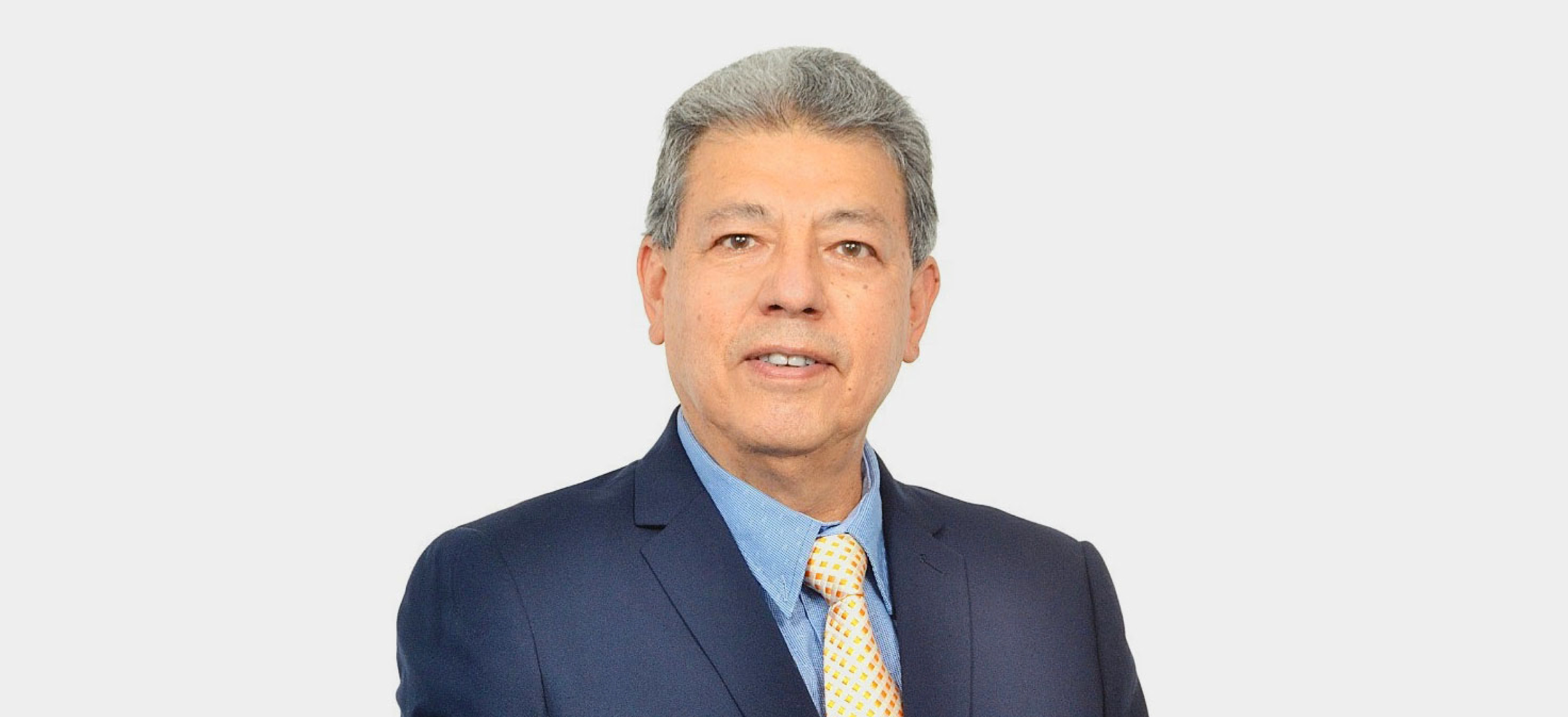
- Head of the Social Management Office of the Ministry of Energy and Mines participated in Road to PERUMIN.
For José Mansen, head of the Social Management Office of the Ministry of Energy and Mines, the dialogue tables have become a business or modus vivendi for legal advisors, as they look for any reason to open them in the conflict zone and never close them, as they promote the incorporation of greater demands that exceed the capacity of the mining company and the expectations of communities.
"In many cases, the dialogue tables, despite being temporary, never end, because each time new requests are added to them, to the point of becoming distorted. These must have a beginning and an end in order to have an effect on the social conflict resolution process. And if they continue their normal course, advisors are left out of business and that represents a risk for them", he analyzed in Road to PERUMIN - Challenges of social conflict management.
That said, he argued that social conflicts should be better accounted for by the Ombudsman's Office in the respective monthly reports, since only those that have begun the dialogue stage should not be considered as such, which will contribute to reduce the tension scenarios in the different regions and improve the country's image to continue attracting the necessary investments to close the gaps.
"They talk about 219 social conflicts at present, but what we really have are events that started as a problem reported by journalists or NGOs and then were reported. Only cases with ongoing dialogue should be omitted from this document, as they demonstrate that there is an intention to exchange opinions and reach consensus on solutions. This will improve the relationship and investment climate," he reflected.
On the other hand, he argued that those who generate the most violence during the social conflict are not the people who are part of the mining corridors or live near the mining operations, but those who are outside the vicinity and have no possibility of negotiating with their counterparts, and who use the purpose of defending the environment with the sole purpose of obtaining money from the mining companies.
"Communities have adopted a rentier perception of social conflict in order to receive income from mining companies, through shareholding or profits, arguing that they are entitled to what the land produces, and without caring that they no longer have rights to the land they sold previously through legal channels. Illegal miners also take advantage of conflicts to position themselves in other people's concessions," he said.
In response to social conflicts, the head of Minem's Social Management Office indicated that the Government has arranged for a group of departments to be assigned to each ministry to coordinate the implementation of a series of preventive and resolution measures, which include, for example, that the heads or other senior officials meet with local and regional governments to learn about their needs.
"The State does not force either the company or the community to sit at the table to initiate a dialogue; on the contrary, it expects a voluntary approach between the two to create an open and transparent dialogue. Only if there are no agreements, the State intervenes to start a dialogue. Logically, we are making every effort to bring both parties to dialogue and to have them accept our mediation to generate consensus," said José Mansen.