 ES
ES
NEWS, INTERVIEWS AND EVERYTHING RELATED TO PERUMIN IN THE MEDIA
Lima, FEBRUARY 7 2023Absent State and Illegal Mining Overshadow Mining’s Role as a Catalyst for Territorial Development
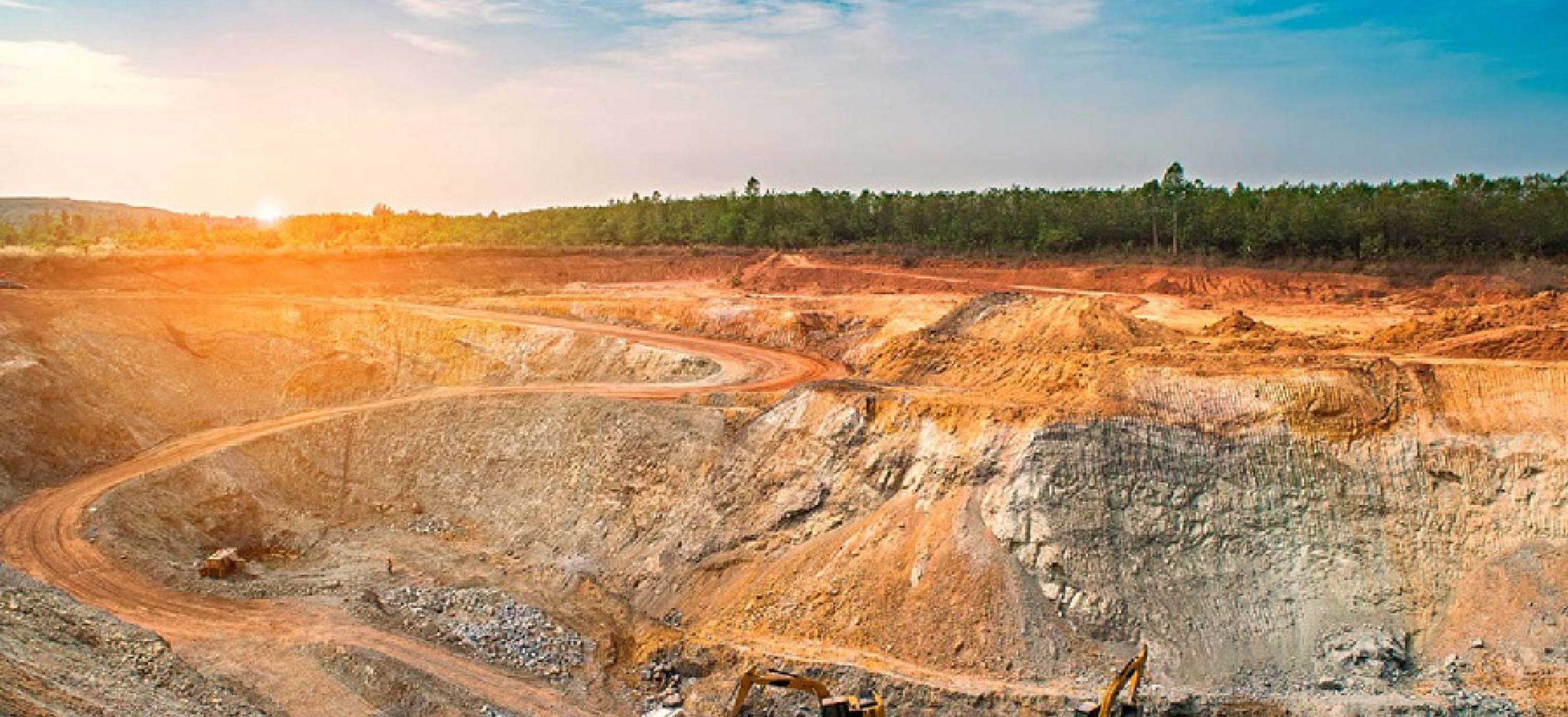
- Moreover, it was pointed out that Moquegua has an agricultural potential that can boost regional growth.
Darío Zegarra, Country Manager of Newmont in Peru, highlighted that the mining industry plays a strategic role as a catalyst for territorial development and productive diversification in the areas of influence where it operates and where, in fact, socio-economic indicators recorded are lower than regional and national indicators due to the absence of the State.
“We know this reality well and feel that we can play a differentiating role, since we know how to catalyze development processes and how to learn from what does work and not get trapped in the frustration of those territories under pressure,” he said in the framework of Rumbo a PERUMIN – Territorial Development: A Challenge to Closing Social Gaps.
He also pointed out the increased presence across the private sector of the catalyst role of the progress of vulnerable territories. This sector should support community development initiatives, thereby becoming part of the dynamics and the geography of the social space and compensating for the disinterest and neglect of the local and central government authorities.
“For us, territorial development means recognizing a geography and dynamics in which we take part, with an increasingly better capacity to influence them and become catalysts. We are not stepping on anybody’s toes; we are all becoming stronger in rebuilding these spaces of vision, planning, and implementation,” said the also vice-president of the IIMP.
Illegal Mining
For his part, Carlos Basombrío, former minister of Internal Affairs of Peru, said that formal mining companies that want to do serious work for the good of the surrounding communities have illegal mining as their main challenge. Illegal mining is present in all the regions of Peru; it exploits its workers and damages the environment.
“There is an important part of illegal gold and copper mining that thrives in chaotic and messy cities, where human life is little or not at all protected. There are also many mining companies that compete with illegal mining in their own work areas, which forces them to coexist with that reality in their territories,” he pointed out.
Agriculture and Livestock Potential
Meanwhile, Milar Zenteno, head of the Conflict Prevention and Dialogue Office of the Regional Government of Moquegua, based on the 2032 Concerted Regional Development Plan and the National Agriculture and Livestock Census, said that Moquegua has 498,196 hectares devoted to, or with the potential for, agriculture and livestock development, 17,725 of which are productive.
"We plan to expand the agricultural frontier in the coming years, with projects such as Pasto Grande and Lomas de Ilo, which can contribute 17,000 hectares. Let us look at the amount of land that Moquegua has and how much of it is used as production units or at least as spaces for economic development," he said.