
 ES
ES
NEWS, INTERVIEWS AND EVERYTHING RELATED TO PERUMIN IN THE MEDIA
Lima, FEBRUARY 9 2023Cajamarca Proposes Logistics Corridors for Connecting Towns and Lowering the Costs of Projects
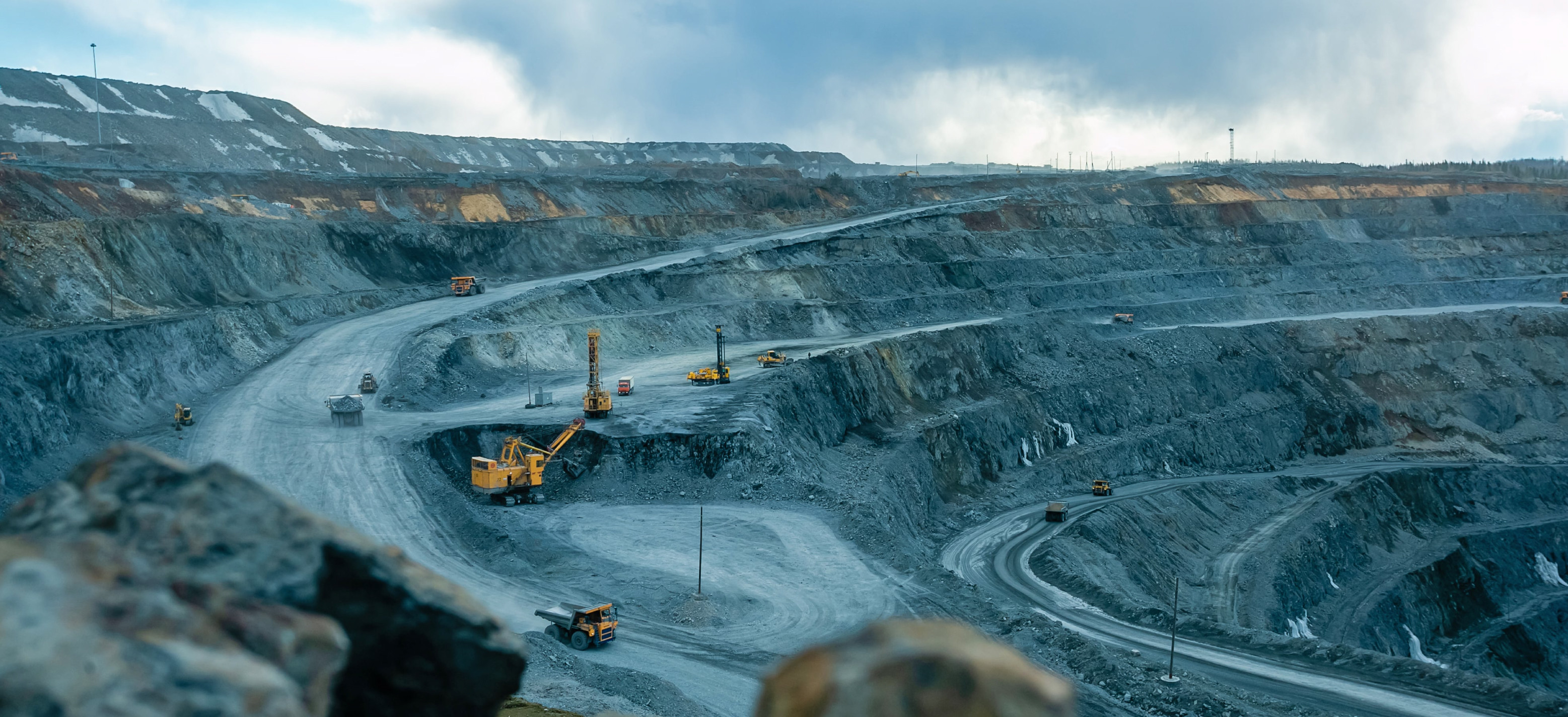
- Governor Roger Guevara expects the prompt approval of the Longitudinal de la Sierra (Longitudinal of the Highlands) project and urges ministries to speed up the transfers of resources.
Regional Governor of Cajamarca Roger Guevara argued that more developed countries relied on land-use planning to plan the growth of their society, with roads connecting cities and enabling the transportation of capital goods to build infrastructure and basic services.
At Rumbo a PERUMIN, he explained that in Cajamarca there are villages quite far from districts that do not have a road corridor. This poses a problem for investments in hydraulic, education or health infrastructure, since costs tend to rise significantly due to how difficult it is to transport construction materials.
“Our land-use planning must opt for logistics corridors for connecting towns and lowering the costs of materials to build hospitals and schools, or deliver water and sanitation works. With good roads, we will be able to implement projects in sectors like health, education, livestock, mining, and tourism,” he claimed.
In the case of tourism, he pointed out that they cannot feel proud of the scenic and cultural wealth of Cajamarca because the roads leading to the areas where all this patrimony is found are not in good condition and pose an enormous risk to the safety of visitors.
He also acknowledged that the region of Cajamarca and its thirteen provinces grew with no planning at all, so the Urban and Territorial Organization Plan must be the main tool for planning urban development that outlines spaces for parks, schools, industrial areas, wholesale and retail markets, etc.
“Additionally, we have to admit that many towns grew in total chaos; they have no risk plan and, when a highly dangerous natural phenomenon occurs, it ends up destroying everything in its path, including houses, businesses, and public offices, and rebuilding them costs us billions,” he asserted.
Highway Project with No Response from Central Government
On the other hand, Roger Guevara criticized the fact that, though certain regional and local governments do show deficient budget spending—due to either lack of knowledge of public management, improvised management of funds, or diversion of funds for illegal purposes, governing ministries also have problems when it comes to approving projects.
“Cajamarca has the Longitudinal de la Sierra Project. This project had a technical file for 21 kilometers and an eight-month implementation period, and it was put out to bid in 2021. Yet, three years have passed, and we still have not had a response. They demand that we be efficient when spending, but the projects are not approved in a timely manner,” he complained.
Poor-Quality Profiles and Files Affect Investments
Finally, the regional governor of Cajamarca noted that the department needs to offer continuity to the investments agreed upon by the outgoing administrations. Nevertheless, it will be of no use to promote a larger number of projects if their profiles and technical files are of very poor quality and will not allow their implementation.
“In Cajamarca, we have nearly 1,800 profiles and files that we have paid with our resources. I should also say that the transfers from the ministries arrive very late to the regional and local governments. We do have resources, but many of them have not been invested well or properly prioritized in order for us to set off on the road to development,” he affirmed.
Rumbo a PERUMIN
Rumbo a PERUMIN is an initiative of the Peruvian Institute of Mining Engineers (IIMP) and the Executive Committee of PERUMIN 36. It involves an agenda of virtual activities that seek to create spaces for analysis, knowledge and debate on mining.