
 ES
ES
NEWS, INTERVIEWS AND EVERYTHING RELATED TO PERUMIN IN THE MEDIA
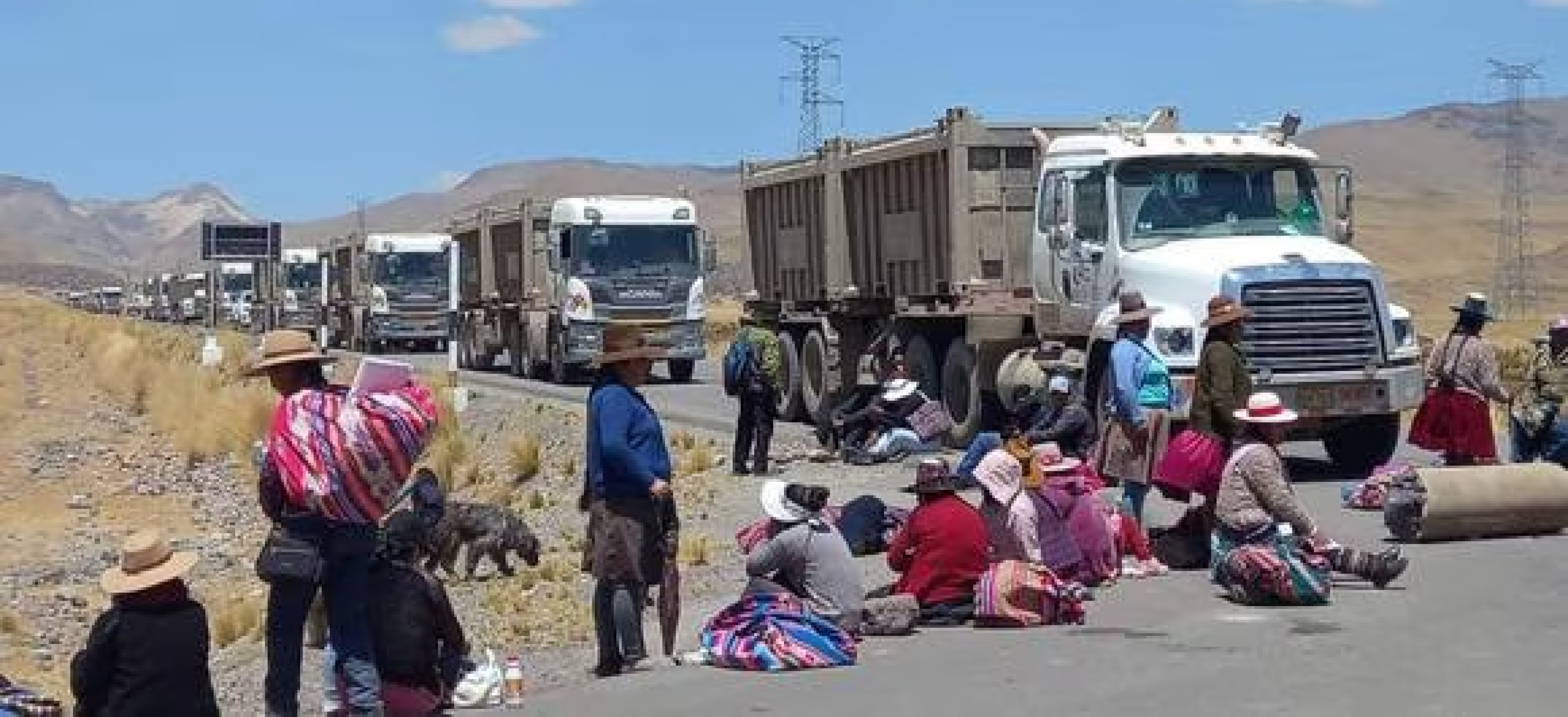
Lima, APRIL 25 2023Warning on binding networks that encourage social conflicts in Peru
- Political analyst Iván Arenas explained how binding networks operate in our country.
On the first day of Road to PERUMIN "Challenges of Social Conflict Management", Iván Arenas, political analyst and researcher, presented some variables that explain the generation of social conflicts in Peru, which also affect the development of important mining projects and operations in Peru.
For this reason, Arenas began by differentiating social conflicts from "ideological and rentier" conflicts, which use demands that may be legitimate and legal to turn into blackmailing actions that tend to use violence.
In this sense, he warned that this type of conflicts with mainly economic purposes are encouraged by networks that operate in different parts of the country, especially in the southern zone.
"The binding networks are networks of advisors and lawyers distributed, above all, in the south of Peru. They can be ideological or simply dedicated to blackmail, they never reach an agreement with the companies because it does not suit them, there is an unspoken alliance between them, they have access to the media, and they almost always start with a legitimate demand and in the end it turns into a form of blackmail," said Arenas.
During his participation, he warned about some binding networks that have been identified, such as the ones mentioned below:
● Chavez Sotelo “rentier” network in Apurimac
● Quiroz family "rentier-ideological" network in South Ayacucho - Chalhuahuacho
● Lawyer Ovalle, Eng. Oto Hitto in Apurimac, Moquegua and Tambo Valley "rentier-ideological" network
● Conulp "ideological" network in Puno, Cusco, Apurimac and Arequipa
● Conacami "ideological" network in Puno, Arequipa, Cusco and Moquegua
● Platform of affected people and NGO's "ideological" network in Cusco, Puno, Pasco and Arequipa
● And Fenate-Movadef, considered a new Sendero Luminoso movement, operates in Sicuani, Puno, Abancay and Andahuaylas, which puts mining projects in the southern mining corridor at risk.
In addition to having identified these binding networks, Arenas added that their mode of operation and conflict promotion has been detected.
"The actors make a demand, starts to be politicized, is strengthened through social networks, local media and associations, then come the negotiations with the state, company, communities. Depending on whether or not the negotiation advances or not, the media takes the news from one side and spreads it. Finally, the plaintiffs play on the perception that we are David versus Goliath. After that, there is a palliative agreement, and another lawsuit appears in a month or two months, not necessarily in that community, but in another," said Arenas.
At another point, the political analyst suggested as a proposed solution that the Ombudsman's Office improve the methodology for its report on social conflicts and incorporate the analysis of the interests of the actors in the conflict. Likewise, the cases of binding networks already identified should be carefully observed and the promotion of modern mining benefits in the regions of Peru should be strengthened.