
 ES
ES
Lima, OCTOBER 19 2023 Violeta Bermúdez Proposes to Reformulate the Mining Formalization Process in Order to Improve Behavior and Perspectives
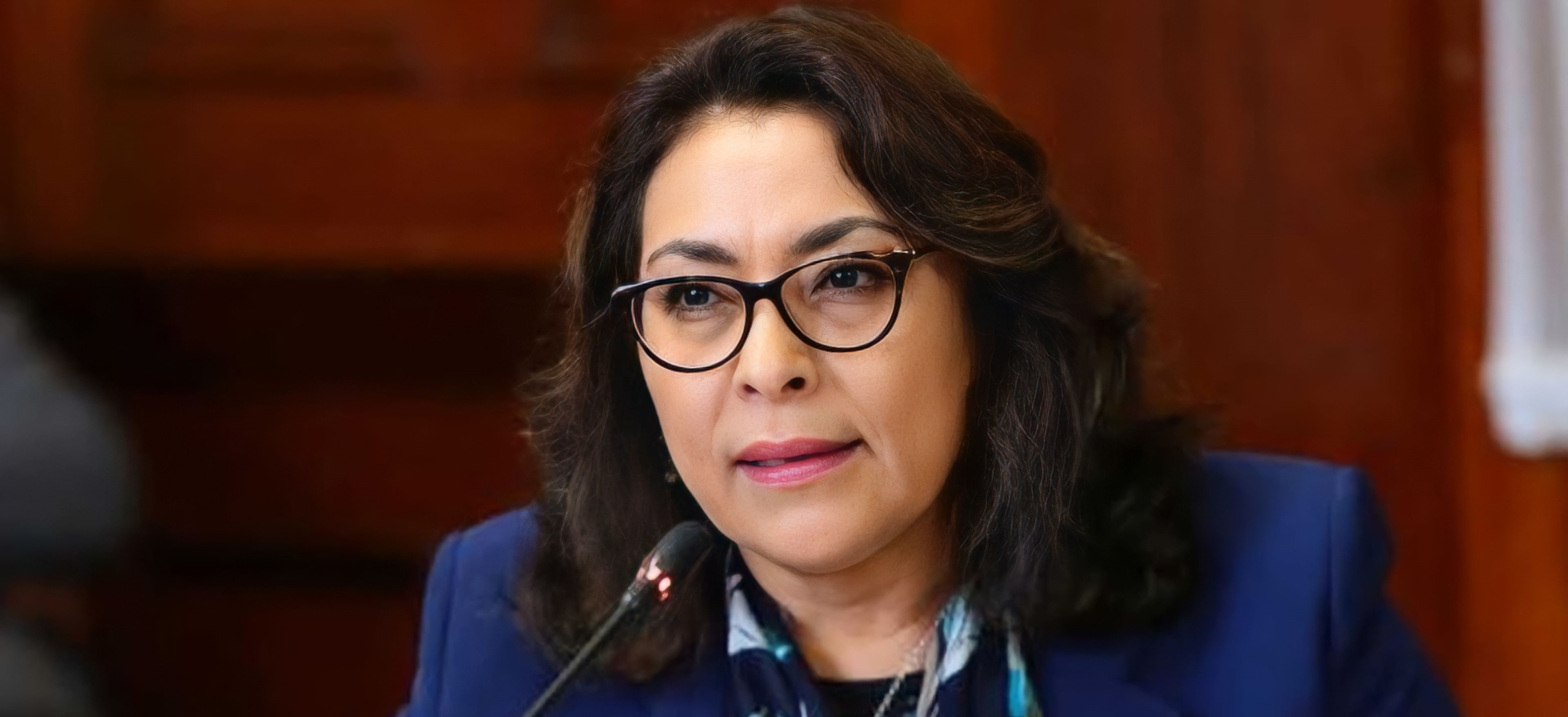
- Violeta Bermúdez, director of the Prevenir Project, suggested increasing incentives for operators who work within the law and intensifying sanctions for those who operate outside it.
After the presentation of the study conducted by the National Society of Mining, Petroleum, and Energy (SNMPE), which showed that informal mining in Peru generates a loss of S/ 23’760,000 per year, representing 2.5% of the Gross Domestic Product (GDP), the expert invited to the PERUMIN 36 Mining Summit analyzed the situation and proposed alternatives for improvement.
Violeta Bermúdez, director of the Prevenir Project of the United States Agency for International Development (USAID), reflected on the need for Peru to reformulate the mining formalization process with the aim of promoting a change in people's perspective and behavior. To this end, she deemed it opportune to create incentives that reward those who act within the framework of the law and, on the other hand, to pursue and sanction those who do not.
“In Peru, we need to put a lot of emphasis on changing behaviors and perspectives about the problems we face. If we only change laws and regulations, we will not change anything if, in practice, people do not change the way they act,” she said during the conference segment entitled “Panorama and challenges to facing illegal and informal mining.”
She also emphasized two aspects that would contribute to the prevention and mitigation of illegal and informal mining. One of them is the strengthening of decentralized management, not only in terms of citizen security, but also in ensuring that public servants of local and regional governments act based on merit and transparency.
“If there is no trust among the people who should be government intermediaries, community leaders, and authorities, coordination will be frustrated,” she claimed.
Second, she highlighted a critical point: public budgets are managed in a fragmented manner, with different government entities responsible for 'packages of responsibilities', which hinders optimal coordination of actions against illegal mining.
"It is time to reflect on the need to take measures to restructure and look at all the competent entities that can do something to combat this serious scourge which our country is facing, but which has consequences both for our country and for humanity, as is illegal mining," she pointed out.
Women in Mining Network
With regard to the project sponsored by USAID's Prevenir, Bermúdez mentioned the Women in Mining Network, formed in Madre de Dios. In this region, nearly one-third of formal mining operations are run by women, and it is estimated that there are more than 40,000 informal miners.
“This network aims to promote sustainable mining that protects the environment, respects the law, and encourages other Peruvians, including women engaged in mining, to do the right things,” she said.